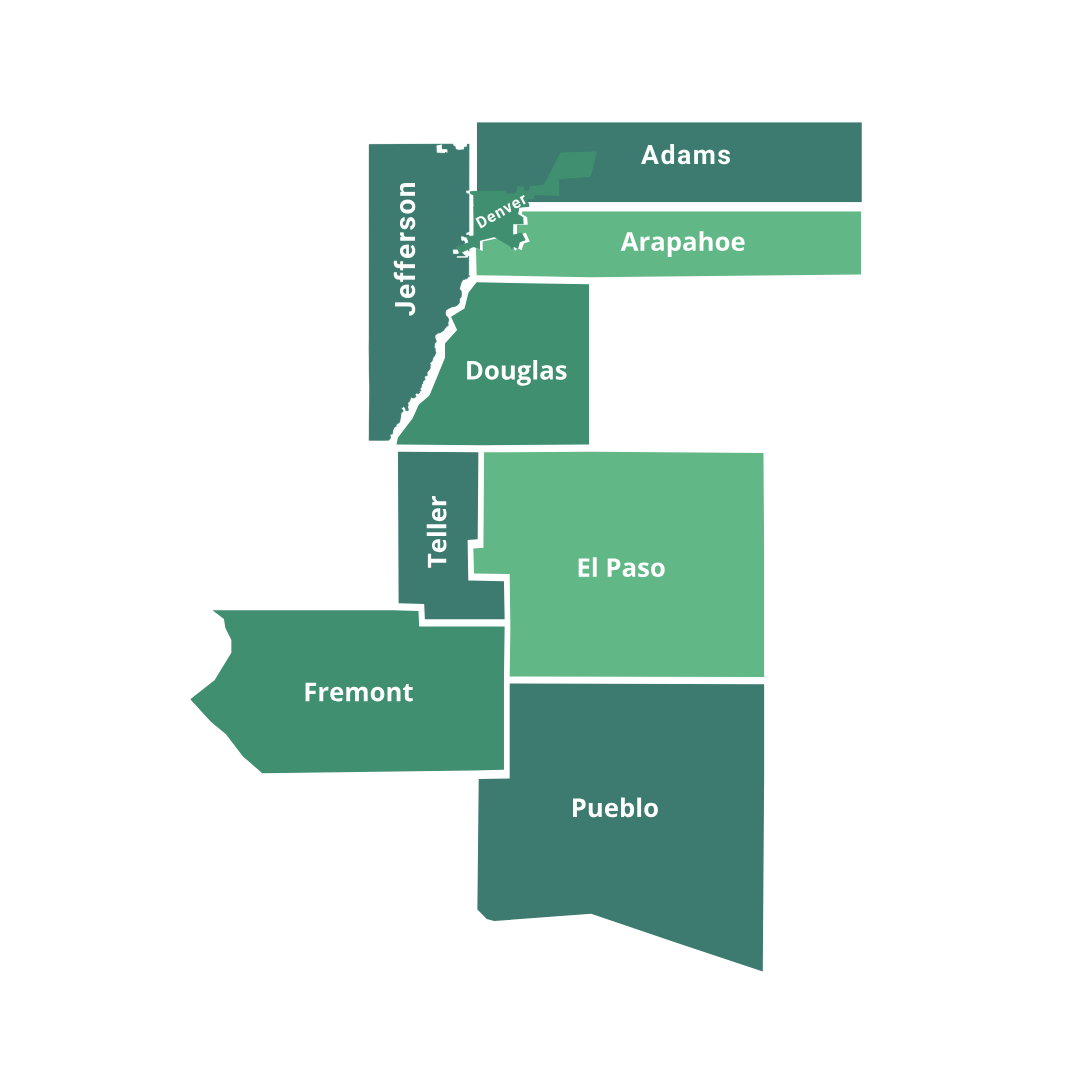





Reckless driving charges across the Denver metro area vary significantly depending on the city, county, and circumstances. From Denver to surrounding suburbs, enforcement and prosecution strategies are not the same.
For a detailed explanation of how reckless driving is defined statewide, review our overview of reckless driving under Colorado law. You can also explore our broader guide to Colorado reckless driving penalties and consequences.
This page covers:
Each jurisdiction has:
This means outcomes can vary widely even for similar charges.
Under Colorado law (C.R.S. 42-4-1401), reckless driving means operating a vehicle with willful or wanton disregard for safety.
If the available evidence does not support the reckless driving threshold, prosecutors may consider reducing the charge to careless driving, which carries a lower legal standard.
Reckless driving is a Class 2 misdemeanor traffic offense.
Consistent statewide:
But outcomes vary based on jurisdiction.
A conviction can also impact employment, especially for roles requiring a clean driving record.
Drivers who accumulate too many violations may face suspension under Colorado’s habitual traffic offender laws.
Many reckless driving cases depend heavily on whether the available evidence supports an officer’s interpretation of driving behavior.
Effective defense depends on:
If the prosecution’s case relies heavily on interpretation, challenging the evidence may become a critical part of the defense strategy.
Negotiation may also be an option in some cases. Learn more about how plea bargains work in Colorado criminal cases.
Some reckless driving charges occur alongside other traffic offenses or criminal allegations. When multiple charges are involved, it may be helpful to understand how a Colorado criminal defense attorney approaches broader defense strategy can be helpful.
A reckless driving conviction can affect your criminal record, insurance costs, and employment background checks.
You can request a free consultation through our consultation page.
No. Each city and county handles cases differently.
Yes. Familiarity with local courts can impact outcomes.
Often yes, depending on the jurisdiction and case details.